AI Education
AI Creativity Classroom
My Role
HCI Researcher
Duration
1 Year
Tools
GPT, Python, Axure
Overview
Defining reliable methods to evaluate and enhance students’ creativity in the AI era, where traditional assessments fall short and human–AI collaboration reshapes creative processes. The project required balancing rigorous measurement with practical classroom integration.
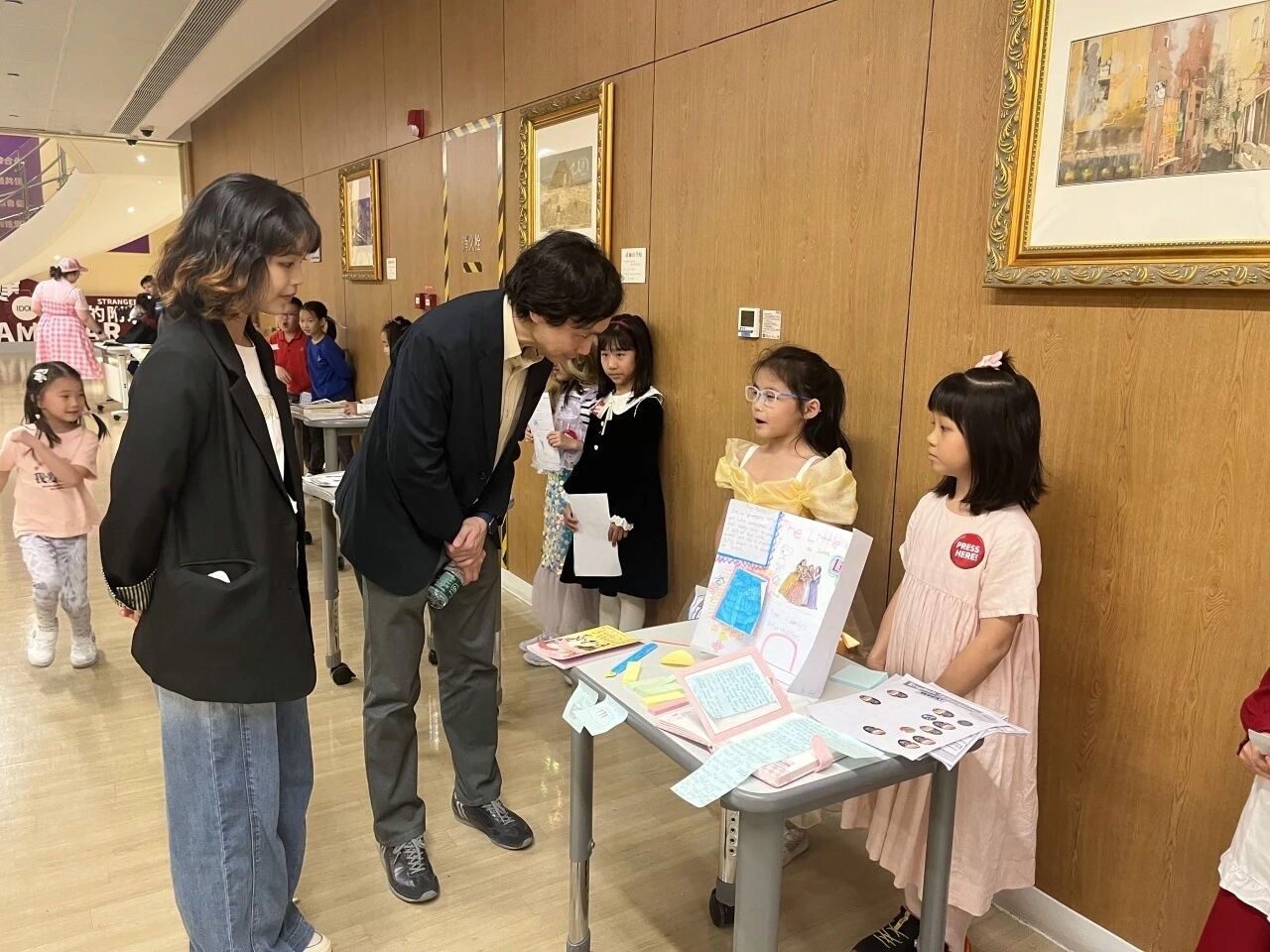
We developed AI-augmented creativity frameworks that combine measurable tasks, adaptive feedback, and iterative practice—helping students both demonstrate and grow their creative potential. Working in collaboration with a leading international middle school in China, the framework was piloted with 100 students in real classroom settings, ensuring authentic feedback and educational validity.
Research
Our research showed that students often struggled to articulate their creative process and required scaffolded support to explore ideas with AI tools. Teachers emphasized the need for clear, reliable metrics to evaluate creativity beyond subjective impressions.
Design
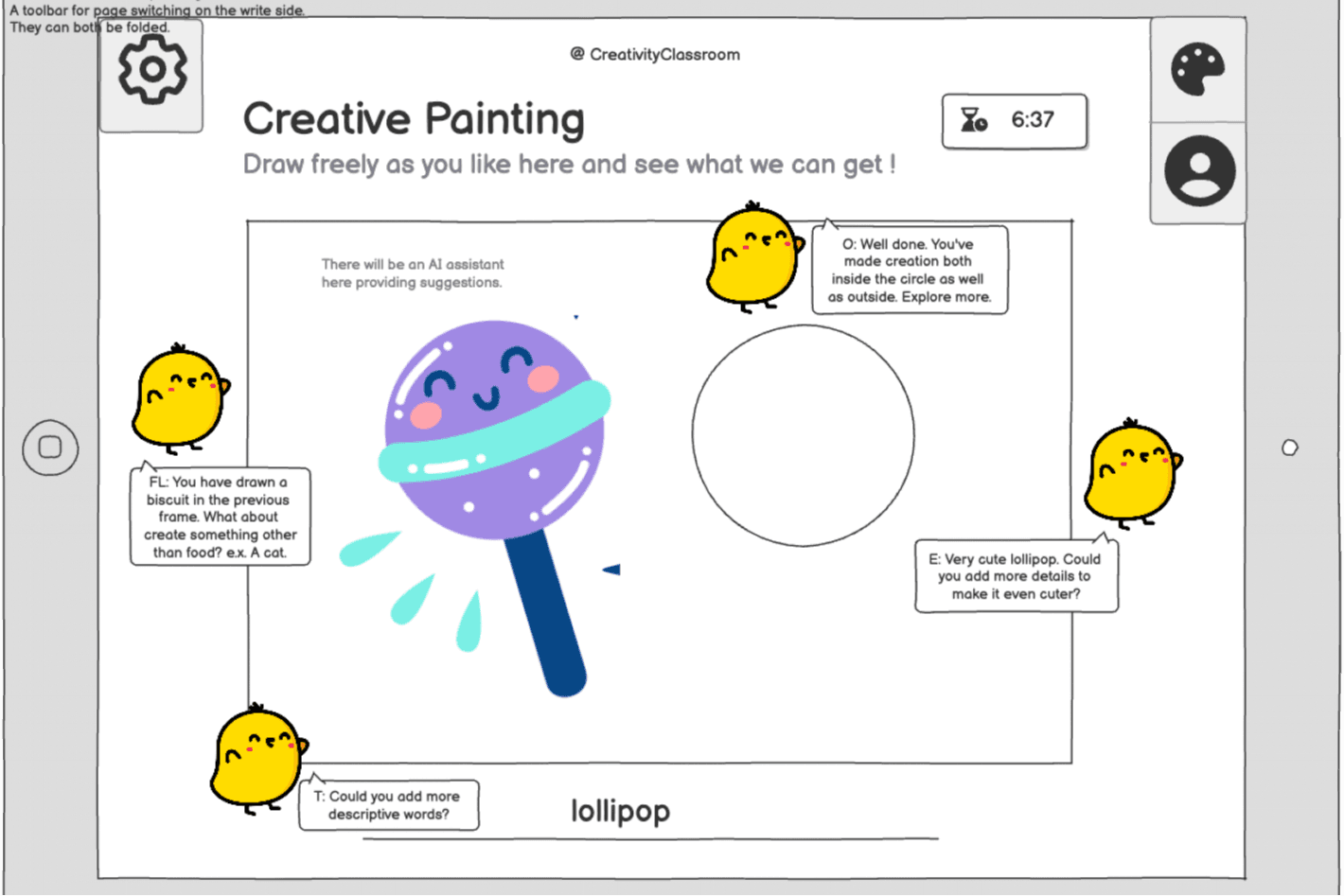
The classroom system integrated task-based creativity assessments, real-time AI feedback loops, and progress dashboards for both students and teachers.
Activities blended individual ideation, AI collaboration, and peer discussion, reinforcing creativity as both a measurable and trainable skill.
The design emphasized clarity and playfulness, ensuring middle school students could engage deeply without feeling overwhelmed.
The pilot reached 100 middle school students and generated measurable improvements in creative task performance over a semester.
Teachers reported greater confidence in evaluating creativity, with over 80% noting that the framework made student progress more transparent.
The project findings were formally published in a school report and received positive reception from both educators and administrators, validating its potential for wider adoption.